I lost my wife 18 months ago and I’ve been using self-hypnosis, meditation, visualisation and spiritualism to help me through my grief journey. I’ve made some progress but I’m always willing to try something new. Recently, I turned to psychology and the work Carl Jung to see if that might help.
Jung said that we all reject the parts of us we don’t like, but repressed emotions don’t just disappear. They descend into the unconscious, into what Jung called the Shadow. The rage you suppressed, it didn’t vanish. It waited, it festered, until one day it exploded at the wrong person. The jealousy you buried because it made you feel small and petty, it didn’t die. It turned into resentment, sabotage and chronic dissatisfaction that poisoned your relationships. The grief you swallowed because you were taught crying is weakness. It settled in your body like lead and turned into fatigue, numbness and depression.
Jung said that it’s an illusion to think we are all good, pure and perfect. He said, that, instead of trying to reject all the things we don’t like about ourselves, as we are told to do by family, society, religion and culture, we should be trying to live with the contradiction that there is good and bad in all of us.
I wonder if this can be applied to grief. Is it possible to hold the pain, sorrow and loss for a life that was lost alongside the joy, happiness and gratitude for a life that was lived?
There’s a Paul McKenna video on YouTube I’ve tried that might help. I’ve found it’s something you need to do daily for at least a week before you feel any benefit.
Wilson9 really interesting and I have always thought there is good and bad in all of us. If I was getting very deep I struggle with the contradiction that I miss my partner so much but my mind is challenging me to keep going and sometimes I feel guilty that I am doing that and trying to be positive.
Hi @Wilson9 , Carl Jung is an interesting bloke, isnt he! I couldnt understand why myself and other people behave as we do. I looked at his work, particularly his concept of our “shadow” persona. I was particularly interested why we find it so easy to self sabotage ourselves, and make life far more difficult for ourselves when it would be easier and better to not do so. Once I understood it, lots of issues just resolved themselves. I went down the path of mindfulness and meditation, and that has been a huge help in moving forward back to relative contentment.!
I believe so for sure, I would like to see it as they are not mutually exclusive.
You can feel the pain of their loss, but you can still appreciate the life they have lived and the parts of their life that they loved. It’s honouring their memory and legacy.
Both my parents were believers of living life to the fullest, taking leaps of faith, being fearless, and plenty of travel too.
Whilst I don’t currently have the resources to book a Jet2 holiday, I would like to follow their lead and still “enjoy life” (one of the last words my Dad shared to the family). Be courageous, like them.
I often think about what I myself would want my loved ones to do when I depart this realm. My answer? Get the tequila shots in, and laugh at my memories (I did do dome daft things).
In more seriousness, my request from beyond would be follow those long held dreams.
Grief isn’t just about the other person; it’s also about us. It’s about who we were with them and who we are now without them. When we lose someone we love, we’re not just mourning their absence, we’re mourning a version of ourselves that will never return.
Every loss leaves us with a fundamental question. What emotional legacy did that person leave in my life? What did they teach me that I never valued before? How did they change my view of the world? What values or ideals can I continue to honour in their name? Because the true presence of a person doesn’t lie in their physical body but in how losing them transforms us. And when we truly understand this, we realise what loss is. It doesn’t destroy us; it rebuilds us in ways we never imagined possible.
Losing someone you love is one of life’s greatest trials. It breaks you; it steals your breath; it leaves you wondering whether you’ll ever feel whole again. But there’s something we’re rarely told. The pain of grief doesn’t just take something from us; it also gives us something new. We become a new version of ourselves, shaped by the loss, but also enriched by everything that person taught us and meant to us.
Hi Wilson 9 I agree with you and Carl that we are changed by our relationships and from the death of them, as it is only then that we take stock of what they have really ment to us and how we live without them. I feel tremendously blessed to have been part of my wife’s life and for as much as her death ripped me apart, I can’t but help feel that I am the luckiest man alive to have shared her life.
Tom
I agree! I think it’s important to remind ourselves how lucky we’ve been for the life we’ve had and to express gratitude for the time we got to spend with someone so special.
This is a powerful statement there, thank you for sharing it!
I have often wondered about something similar, in terms of a new identity. That both my parents have gone, not only am I orphaned, I am now no longer a daughter to anyone (physically that is. Of course I still am, but in name only). Which is brutal.
Also that me and my sibling are now the new “elders” of the family and are having to take on that role, we had discussed this a lot and how to adjust to that new identities on top of the grieving.
We are also truly discovering the aspects and personality traits they had that live on in us, what we have inherited from each parent. It seems that now both have gone, the traits we inherited are glaringly obvious!
Coming to the present, I’m now faced with the loss of a partner, he’s is terminal. So the anticipatory grief about not only the loss of the person, but the loss of a romantic relationship.
My status will change to single, the feeling of being “widowed” even though we’re not married (do you have to be married to the person to be considered widowed? Its still the same feeling of grieving. Does the duration factor in, only together 2 years, but I feel a time distortion that we’ve been together far longer)
Hi Plutorising, I’m sorry you are facing such a horrifyingly difficult situation without the support of your parents. I have often felt like we are hit by different ordeals in life, one after another some resolve to allow new ones to arise. I don’t know whether we are being tested or life is just …
Hope you find strength to cope
Tom
@Plutorising yes not being married is still the same grief. I consider myself widowed from my partner - we were together for 9 years. Some really thoughtful comments on here so thank you all. @Wilson9 the rebuilding is the tough journey and the view of the world changing. I have gained a friend locally who lost her husband in his sleep 4 months ago (I am 2 months in). We have supported each other and we both agree that we added a lot to our partners who had been through difficult times prior to our relationships. And they added so much to us. Thanks for the support on here. Your thoughts and reflections help.
Have you considered working with an Art Therapist ? Jung himself used art and symbols
You may find it a good fit to explore your feelings and yes of course we can have dual emotions and thoughts about anything …..keeping things in doesnt help ….but we all find our own way to navigate our loss. You are working really hard to understand and reflect ….sending kind thoughts
I consider myself a widow even though my partner and I were not married. We were together for almost 40 years. I don’t think it’s legal however, but I don’t care about that. We would have married, but he was taken before I could arrange it.
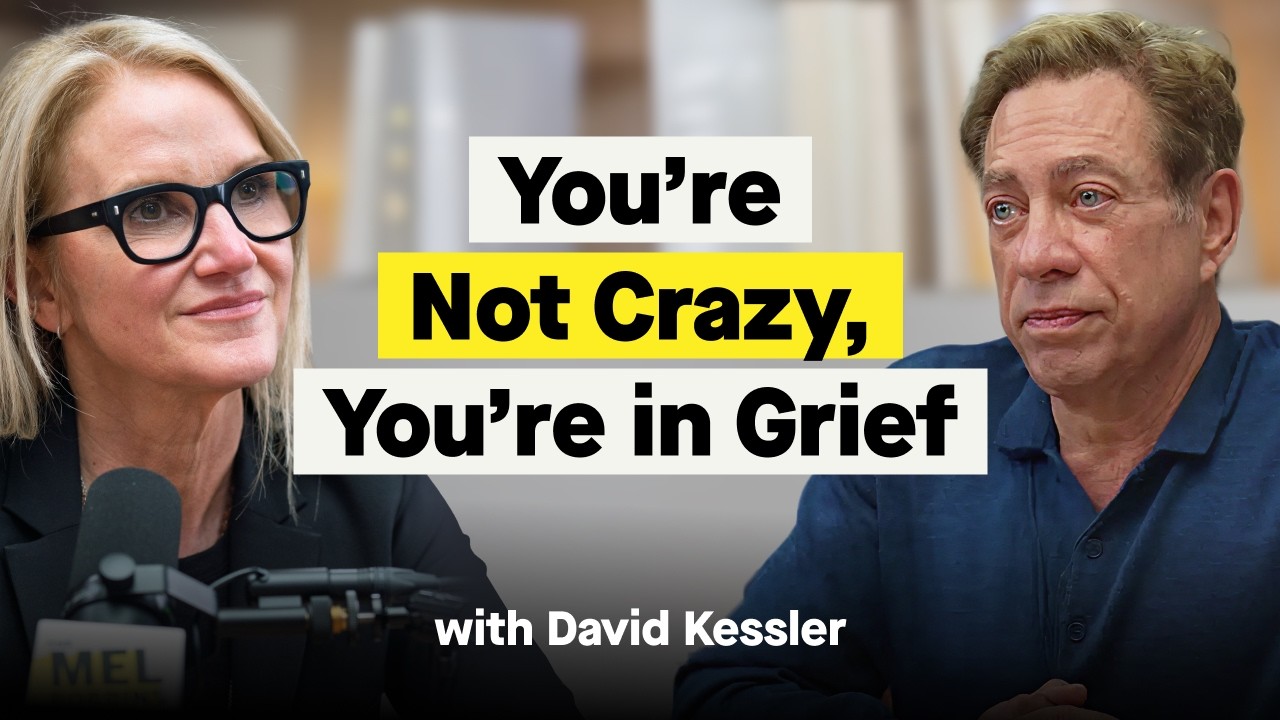
David Kessler, the US grief expert, says that grief needs to be witnessed before real healing can begin. I think he means that the bereaved need to be in a safe space with someone they trust. Someone who can listen to them bare their soul without judging or offering advice. Someone who just asks you to tell them how it feels to lose the love of your life.
I think there is a lot in that @Wilson9 there is nothing like grief to truly expose your emotions and find out who in your life that makes you feel comfortable doing that with
Thankyou @Wilson9 . Ive not listened to all the video, because it is just confirming what I’ve already learnt in a different way, which is mindfulness. In that, we also recognise the emotions of hurt and pain, and work through these unwanted thoughts. Then eventually happiness returns in our new lives, with happy grateful thoughts of our old lives, but with good optimistic thoughts about how our new lives can become. I didn’t see it when I started on day 1 (or year1, even), but I see it now. so yes:
The focus of the video is on grief and loss . There’s a reference to Grief Yoga but that only lasts about 30 seconds. The video has some useful insights on grief which will help, not only the people who are in grief, but also the family members and friends who are trying to support them through their pain, sorrow and despair but don’t know what to say or do.